
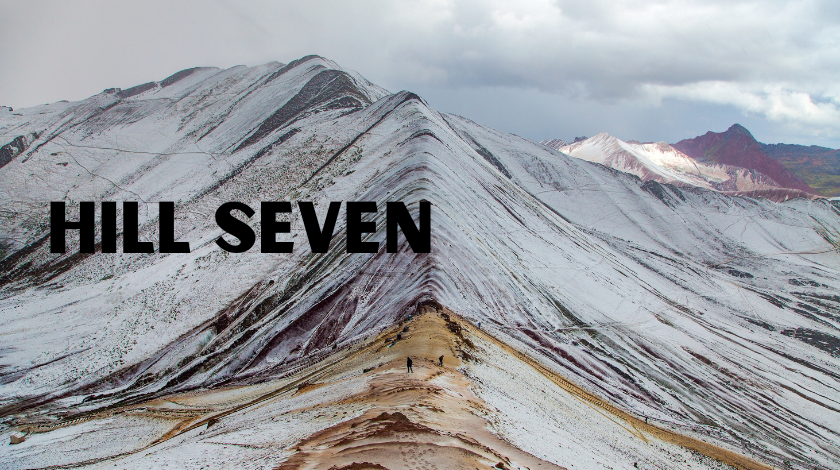
There is something truly special about a place that carries a name as simple yet intriguing as Hill Seven. For many of us, the call of the outdoors is not just about getting exercise or seeing a pretty view. It is about the stories we tell ourselves while we are out there in the wild. Hill Seven is one of those places that feels like it has a thousand stories hidden in its soil. Whether you are a seasoned hiker who has conquered massive peaks or someone who just bought their first pair of sturdy boots, this location offers an experience that sticks with you long after you have washed the dust off your clothes. In this guide, I want to take you through everything you need to know about this remarkable spot, from its history to the literal steps you will take to get to the top.
Understanding the Allure of Hill Seven
When you first hear the name Hill Seven, you might wonder if there were six others before it that were just as interesting. In many ways, the name represents a progression. For some, it is the seventh peak in a range that tests your endurance. For others, it is a symbolic name that represents a transition from the lowlands of everyday life to the heights of personal achievement. When I first visited Hill Seven, I was struck by how the air seemed to change as I approached the base. The wind feels different there. It carries the scent of pine and old stone, and it hums a tune that makes you want to keep moving upward.
The reason so many people are drawn to this specific hill is that it strikes a perfect balance. It is not so difficult that it scares away the average person, but it is not so easy that it feels like a walk in a city park. It requires respect. You have to think about your steps, breathe with intention, and pay attention to the world around you. This balance makes it a prime destination for people looking to reconnect with nature without needing a professional mountain-climbing team to get there.
The Historical and Cultural Roots
Every great landmark has a backstory, and Hill Seven is no exception. Depending on who you ask, the “Seven” could stand for many things. Local legends often whisper about seven ancient trees that once stood at the summit, serving as a landmark for travelers long before modern maps existed. Others say the name comes from the seven distinct bends in the original trail that allowed old settlers to transport goods across the ridge. I have always preferred the more poetic explanation: the hill offers seven distinct views of the surrounding valley, each unique and breathtaking in its own right.
Historically, places like Hill Seven often served as lookout points. Because of its strategic elevation, it allowed people to see approaching weather or visiting parties from miles away. When you stand at the top today, you can almost feel the weight of that history. You are standing where people have stood for centuries, looking out at the same horizon, feeling the same wind. This connection to the past is part of what gives the hill its soul. It is not just a pile of dirt and rock. It is a witness to the passing of time.
Preparing Your Body and Mind
Before you even think about putting your foot on the trail, you have to talk about preparation. I cannot tell you how many times I have seen people start a climb like Hill Seven with nothing but a small bottle of water and a pair of flimsy sneakers. That is a recipe for a bad time. Preparation is not just about gear, though that is important. It is about getting your mind in the right place. You need to accept that you might get tired, you might get sweaty, and you might even want to turn back halfway.
Physically, you should start by taking longer walks in your neighborhood a few weeks before your trip. If you can find a place with stairs, use them. Hill Seven has a way of testing your calf muscles in ways you didn’t know were possible. You don’t need to be an Olympic athlete, but having some stamina will make the experience much more enjoyable. You want to be looking at the view, not staring at your feet while gasping for air.
Mentally, you should practice patience. Nature does not run on a schedule. Sometimes the trail is muddy, or a fallen branch blocks the path. If you go into the journey with the mindset that you will handle whatever comes your way, you will have a much better experience. I remember one trip where it started raining unexpectedly. Instead of getting upset, I leaned into it. The rain made the moss on the rocks look like vibrant emeralds, and the smell of the wet earth was incredible. That shift in perspective changed a “ruined” trip into a magical one.
The Essential Gear List
Let’s talk about the practical stuff. What do you actually need in your pack? First and foremost, footwear is the most important decision you will make. You need shoes with a good grip. The terrain on Hill Seven can be deceptive. One minute you are on flat dirt, and the next you are navigating loose gravel or slippery roots. A twisted ankle can turn a fun day into a rescue mission, so please, invest in a decent pair of hiking boots or trail runners.
Next, think about layers. Even on a warm day at the bottom, the temperature can drop significantly as you gain elevation. The wind also picks up once you clear the tree line. I always recommend a moisture-wicking base layer, a light fleece, and a windproof outer shell. This allows you to adjust your body temperature as you move. Don’t forget a hat and sunscreen, even if it looks cloudy. The sun is stronger at higher altitudes, and a nasty sunburn is a terrible souvenir to bring home.
Water and food are your fuel. For a climb like Hill Seven, I suggest at least two liters of water. Electrolyte tablets are also a great idea to prevent cramping. For snacks, skip the heavy meals. Go for things that are easy to digest and provide quick energy, like nuts, dried fruit, or a good old-fashioned peanut butter sandwich. I always pack a small piece of chocolate for the summit. It is my little tradition, a small reward for reaching the goal, and it tastes better up there than it ever does at sea level.
Navigating the Trail: A Step-by-Step Experience
The journey up Hill Seven usually begins in a dense forest area. This is what I call the “green cathedral.” The trees are tall, and the light filters through the leaves in golden streaks. This part of the trail is usually the steepest, as it climbs from the valley floor. Your heart rate will go up, and your breathing will deepen. This is the time to find your rhythm. Don’t try to sprint. Just keep a steady, consistent pace.
As you move higher, the vegetation starts to change. The tall trees give way to shorter, hardier shrubs and bushes. This is where you get your first glimpses of the world below. It is tempting to stop every five minutes to take a photo, but try to keep moving until you hit the designated rest spots. There is a specific clearing about halfway up that I love. It has a large, flat rock that feels like it was put there specifically for tired hikers to sit on. It is a great place to check your map and have a quick drink.
The final stretch of Hill Seven is where the “magic” happens. The trail opens up, and you find yourself on a rocky ridge. The wind starts to pick up here, and you can see the summit ahead of you. This part of the climb is more about mental toughness than physical strength. Your legs might feel heavy, but the sight of the peak keeps you going. There is a sense of anticipation that builds with every step. You are almost there, and the world is opening up around you.
The Summit: A View Worth the Effort
Reaching the top of Hill Seven is a feeling that is hard to put into words. There is a moment when you take that final step, and suddenly, there is no more “up” to go. Everything is below you. The horizon stretches out in every direction, and for a moment, the world feels very small and very large at the same time. On a clear day, you can see the silver threads of rivers winding through the valley and the distant peaks of other mountain ranges.
This is the time to sit down and just be quiet. We live in a world that is constantly noisy, and the silence at the top of a hill is a rare gift. I like to spend at least thirty minutes at the summit just soaking it in. I watch the clouds move and listen to the wind. It is a great time for reflection. You realize that the problems you left at the bottom of the hill don’t seem quite as big when you are looking at them from this height. It gives you a sense of perspective that is hard to find anywhere else.
If you are into photography, the summit of Hill Seven is your playground. The light up here is pure and sharp. If you timed your hike for the golden hour (the hour before sunset), the entire landscape will turn a deep, glowing orange. It is the kind of beauty that makes you forget about your sore muscles. Just remember to keep an eye on the time. You don’t want to be navigating the rocky ridge in total darkness unless you are an expert with a very good headlamp.
Safety First: Respecting the Environment
While Hill Seven is a place of beauty, it is also a wild place. Nature has no safety rail. It is important to stay on the marked trails. Not only does this keep you safe from getting lost, but it also protects the delicate plants that grow on the hillside. When people wander off-trail, they crush the vegetation and contribute to soil erosion. We want Hill Seven to stay beautiful for the next generation of hikers, so please, follow the “Leave No Trace” principles. If you pack it in, pack it out. This includes orange peels and nut shells, which can take a long time to decompose in high altitudes.
The weather is the biggest wild card. Before you head out, check the local forecast specifically for the mountain area, not just the nearest town. The weather can change in an instant. If you see dark clouds gathering or hear thunder, it is time to head down. Being the highest point around during a lightning storm is not where you want to be. I once had to turn back just ten minutes from the summit because a fog bank rolled in so fast I couldn’t see my own hands. It was disappointing, but the hill will always be there for another day. Your safety is more important than a summit photo.
The Psychological Benefits of the Climb
Beyond the physical workout, climbing Hill Seven offers incredible mental health benefits. There is something called “blue-green therapy,” which suggests that being around water and forests can significantly lower stress levels. When you are focused on the trail, your brain gets a break from the constant notifications and digital noise of modern life. You aren’t checking emails; you are checking your footing. You aren’t worried about deadlines; you are worried about the weather.
This “forced mindfulness” is incredibly healing. It allows your nervous system to reset. Many people find that they come up with their best ideas or solve their most nagging problems while they are walking. The rhythmic nature of hiking unlocks something in the creative brain. I personally find that a trip to Hill Seven acts like a “reset button” for my mood. No matter how stressed I am when I start, I always feel lighter by the time I get back to the car.
Why Hill Seven is for Everyone
One of the best things about Hill Seven is its accessibility. You don’t need expensive memberships or specialized skills. You need a pair of shoes and the desire to see what is over the next rise. It is a place where families can bond, friends can share a laugh, and solo travelers can find much-needed solitude. It is a democratic piece of nature that welcomes anyone willing to put in the effort.
I have seen children as young as six making the climb with big smiles, and I have seen people in their seventies moving slowly but surely toward the top. This inclusivity is part of what makes the outdoor community so great. Everyone on the trail is there for the same reason: to experience something real. There is a silent camaraderie among hikers. You nod at people passing by, you offer a word of encouragement to those who look tired, and you share the joy of the summit with strangers.
Conclusion
In the end, Hill Seven is more than just a destination on a map. It is a journey that challenges your body and nourishes your soul. It reminds us that we are part of a larger world and that there is beauty to be found if we are willing to go looking for it. From the historical whispers of its name to the physical grit required to reach its peak, every aspect of the hill offers a lesson in resilience and appreciation.
If you are looking for an escape, a challenge, or simply a way to spend a Saturday morning, I cannot recommend Hill Seven enough. Pack your bag, lace up your boots, and head out. The trail is waiting, the wind is calling, and the view from the top is exactly as amazing as they say it is. You might start the day as a tired person looking for a hike, but you will end it as someone who has conquered a small part of the world and a large part of themselves.
Frequently Asked Questions (FAQ)
1. Is Hill Seven suitable for beginner hikers?
Yes, it is generally considered a moderate hike. While it has some steep sections, anyone with a basic level of fitness can complete it if they take their time and rest when needed.
2. How long does it typically take to reach the summit?
For most people, the round trip takes between three and five hours. This depends on your pace and how long you spend enjoying the views at the top.
3. Are dogs allowed on the Hill Seven trail?
In most cases, yes, but they should be kept on a leash. This is for their safety and to protect local wildlife. Always check local signage for specific regulations.
4. What is the best time of year to visit?
Late spring and early autumn are the most popular times. The weather is mild, and the foliage is either blooming or changing colors, making for spectacular photos.
5. Do I need a permit to hike Hill Seven?
Most public trails do not require a permit for day hiking, but some areas may have a small parking fee or require a pass. It is always a good idea to check the official park website before you go.