
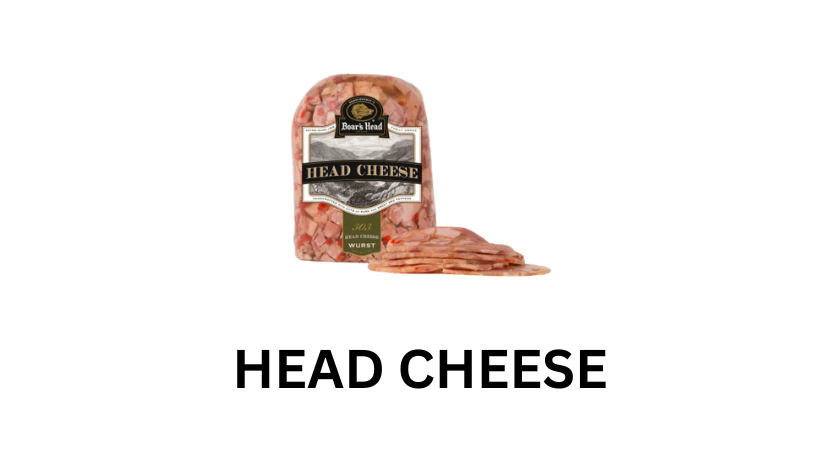
I remember the very first time I walked into an old-school butcher shop down in the South. I was staring into the glass display case, looking past the steaks and the sausages, and my eyes landed on this strange, mosaic-looking block of meat. It looked like chunks of pork suspended in amber glass. The handwritten sign next to it read “Head Cheese.” I was confused because I did not see any cheddar or swiss in there. I asked the butcher about it, and he laughed a deep, belly laugh. He told me that if I was looking for dairy, I was in the wrong place. That moment sparked a curiosity in me that led to a lifelong appreciation for one of the most misunderstood foods in the culinary world.
The name itself is the biggest hurdle for most people. When you hear the words head cheese, your brain automatically expects a slice of provolone or gouda. However, this delicacy has absolutely nothing to do with milk or dairy cows. It is actually a type of terrine or meat jelly. It is a cold cut that originated from the desire to not waste a single part of an animal. In the culinary world, we call this “nose-to-tail” eating. It is a way of showing respect to the animal by using everything, including the head. While the concept might sound a little frightening to modern eaters who are used to boneless skinless chicken breast, this dish is a masterclass in flavor and texture if you give it a fair chance.
So, let us get down to the nitty-gritty of what this stuff actually is. To put it simply, head cheese is meat from the head of a pig (or sometimes a calf or sheep) that has been boiled down until it is incredibly tender. We are talking about the meat from the cheeks, the snout, and sometimes the tongue. These parts are simmered for hours with onions, herbs, and spices. Once the meat falls off the bone, it is chopped up and packed into a mold. The liquid it was cooked in, which is now rich with natural gelatin from the bones and cartilage, is poured over the meat. As it cools down in the refrigerator, that liquid sets into a firm jelly. That jelly acts as the glue that holds all the savory meat chunks together in a sliceable loaf.
You might be wondering why anyone would go through the trouble of boiling a pig head. The answer lies in history and necessity. Hundreds of years ago, before we had massive supermarkets on every corner, families raised their own livestock. When it was time to harvest a pig, wasting food was not an option. You could not just throw away ten pounds of good meat just because it was on the head. Peasants and farmers across Europe, from Germany to France to the United Kingdom, developed recipes to turn these tough cuts into something delicious. In the UK, they call it “brawn.” In Germany, it is often called “Sülze.” When immigrants came to America, they brought these recipes with them, and it became a staple in the American South and Cajun country.
There is often a lot of confusion between head cheese and another product called “souse.” I have seen people use the names interchangeably, but they are definitely different things. The main difference comes down to one strong ingredient which is vinegar. Standard head cheese is usually savory. It tastes like concentrated roast pork with notes of black pepper, thyme, and maybe some allspice or nutmeg. Souse, on the other hand, is pickled. When they make souse, they add a heavy amount of vinegar and often pickles or peppers to the mixture. This gives souse a very tart, sour kick that makes your mouth water. If you are someone who loves pickles, you might prefer souse. If you want a pure meat flavor, you stick to the traditional head cheese.
Let us talk about the texture because this is usually where people get hung up. I will be honest with you. If you have texture issues with food, this might be a challenge at first. It is cold, and it has that wobble from the gelatin, similar to the consistency of Jell-O, but savory. However, once you get past that initial surprise, the texture is actually quite pleasing. The jelly melts almost instantly when it hits your warm tongue, releasing a flood of savory broth flavor. The meat inside is usually very tender, contrasting with the smooth jelly. It is a unique experience that you do not get with standard lunch meats like turkey or ham, which are uniform and dry.
Making this dish at home is a labor of love. I have tried my hand at it a few times, and it is an all-day event. You start by getting a pig head from a butcher, and you have to clean it very thoroughly. You boil it in a massive pot with water, onions, celery, carrots, bay leaves, and peppercorns. The smell that fills the kitchen is intoxicating. It smells like the richest pork soup you can imagine. After hours of simmering, you have to carefully pick the meat from the bones. This is messy work, but it is satisfying. You strain the broth to remove the vegetables and bones, then mix the chopped meat back in with fresh spices. Pouring it into the loaf pans feels like you are preserving a piece of history. The hardest part is waiting overnight for it to set in the fridge.
In my opinion, the best way to eat head cheese is simply with crackers. You want a cracker that is sturdy and not too salty. You slice a piece of the cold meat, place it on the cracker, and maybe add a dash of hot sauce or a smear of spicy mustard. The crunch of the cracker balances out the softness of the jelly perfectly. In Louisiana, they eat it with saltine crackers and Crystal hot sauce. In Vietnam, a variation of head cheese is a standard ingredient in Banh Mi sandwiches. The cilantro, jalapeños, and pickled carrots on a Banh Mi cut through the richness of the pork terrine beautifully. It shows that this ingredient is globally loved, appearing in different forms across many cultures.
Beyond the taste, there is actually a pretty good health argument for eating this. Modern diets often lack collagen. We eat a lot of muscle meat like steak and chicken breast, but we miss out on the connective tissues that our ancestors ate. The gelatin in head cheese is pure collagen. Collagen is fantastic for your skin, hair, and especially your joints. It is also high in protein and generally low in carbohydrates, making it keto-friendly if you do not add fillers. So, while it might look fatty because of the jelly, that jelly is actually protein-rich broth.
I think the reason people are scared of head cheese is simply that we have become disconnected from where our food comes from. We like our meat to come in Styrofoam packages that look nothing like an animal. But there is something honest and grounding about eating food that acknowledges the animal it came from. It respects the life of the pig by ensuring nothing goes to waste. When you eat it, you are participating in a tradition that has kept humans fed for centuries.
If you are feeling brave and want to try it, I suggest going to a local butcher shop or an authentic German or Cajun deli. Do not buy the mass-produced stuff in plastic wrap at the big box grocery store if you can help it. The industrial versions often use too many preservatives and artificial binders that give it a rubbery texture. Real, handmade head cheese should be delicate. It should almost fall apart when you handle it. The flavor should be fresh and seasoned, not chemical.
When you take that first bite, try to turn off the part of your brain that is analyzing the name. Close your eyes and focus on the flavor. You will taste the essence of roast pork, the brightness of the seasonings, and the richness of the stock. It is comfort food in a cold, sliceable form. I have converted many skeptical friends just by putting it on a charcuterie board without telling them what it was until after they said they liked it. They usually say it tastes like a very high-quality ham salad or a savory pâté.
It is also worth noting that different regions spice it differently. If you try it in a French restaurant, it might be flavored with wine and delicate herbs like tarragon. If you try it in the American South, it might have a kick of cayenne pepper and sage. This variety makes it a fun food to explore when you travel. You can learn a lot about a culture’s palate by how they season their meat jellies.
So, is head cheese for everyone? Maybe not. If you strictly cannot handle gelatinous textures, you might struggle. But for those who consider themselves food lovers, it is a must-try item. It represents a culinary skill that is slowly fading away. It represents sustainability. And most importantly, it is deeply savory and satisfying. Next time you are at the deli counter, look past the turkey and the roast beef. If you see that speckled loaf of meat jelly, ask for a thin slice. You might just discover your new favorite snack.
Ultimately, food is about adventure and story. Head cheese has a long story to tell. It tells the story of farmers who worked hard, families who wasted nothing, and cooks who knew how to turn humble ingredients into a feast. Do not let the name scare you away from a genuine gastronomic experience. Grab some crackers, a bottle of hot sauce, and a slice of history.
Conclusion
Head cheese is a misunderstood culinary gem that suffers from a bad name and modern misconceptions about texture. Far from being a scary byproduct, it is a delicious, sustainable, and nutrient-dense food that honors the tradition of nose-to-tail eating. Whether you enjoy it spicy in a Cajun kitchen, served with vinegar as souse, or tucked into a crusty Vietnamese baguette, it offers a depth of flavor that standard lunch meats cannot match. By keeping an open mind and giving it a try, you connect with food history and might just find a delicious new addition to your charcuterie board.
Frequently Asked Questions (FAQs)
1. Is head cheese actually cheese?
No, it contains no dairy products. The word “cheese” is used because the meat is pressed into a mold that resembles a wheel of cheese, similar to how the word is used for “fruit cheese.”
2. What part of the pig is used?
It is typically made from the flesh of the pig’s head, which can include the cheeks, snout, and ears. The brain and eyes are almost always removed and not used in the preparation.
3. Do you eat the jelly part?
Yes, the jelly is an essential part of the dish. It is natural gelatin (aspic) created from boiling the collagen-rich bones. It is full of flavor and nutrients.
4. How long does head cheese last?
Since it is a cooked meat product, it typically lasts about 5 to 7 days in the refrigerator after it has been sliced. It should always be kept cold, as the gelatin will melt at room temperature.
5. Can I freeze head cheese?
It is not recommended to freeze it. Freezing and thawing will break the structure of the gelatin, causing it to become watery and lose its pleasant texture when you try to eat it.